Treatments

Orthodontic Center

Clear aligners

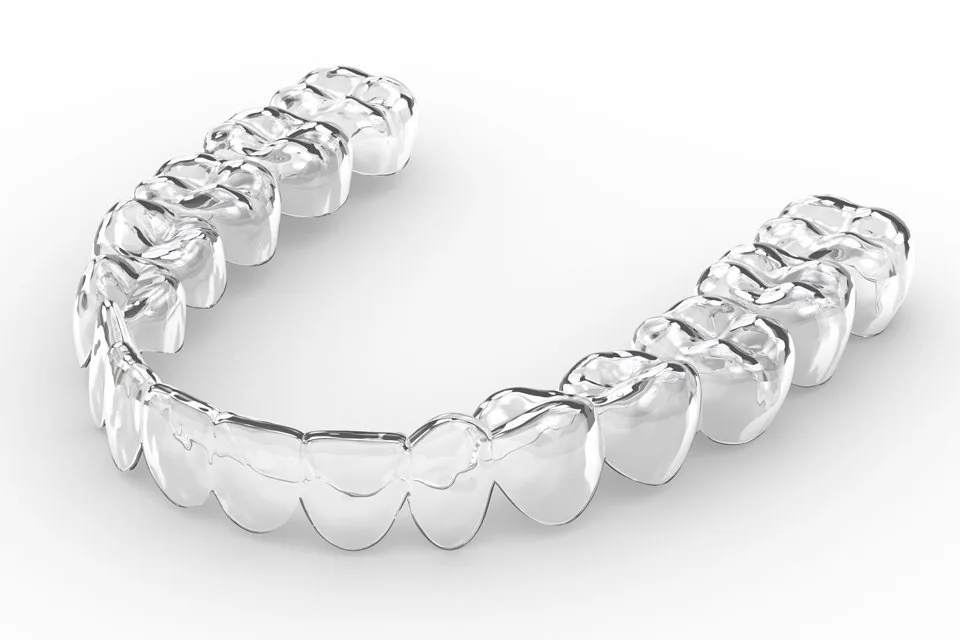
Render of a transparent aligner tray seen from above
Illustration of a removable clear aligner, not a patient treatment result.

A removable option for moving teeth, planned around your bite and the visits you can attend.

  • Custom trays
  • In-person diagnosis

What to know about clear aligners

Clear aligners are transparent trays worn in a planned sequence to move teeth gradually. Whether they suit your teeth, and how long treatment takes, are assessed before you start.

Appliance
Removable trays
Duration
Case-dependent
Follow-up
In-person review

What matters to you?

Less visible braces

Tooth alignment and appearance

Your teeth are not well aligned and you want to improve them without visible braces.

An upcoming occasion

Treatment during everyday life

You have a job search, wedding, or other important occasion ahead and want treatment to stay discreet.

Removable for meals

Eating and oral care

You value being able to remove the appliance to eat normally and brush thoroughly.

Check suitability first

Deciding after diagnosis

You want to know first whether your case can actually be treated with aligners before committing.

These concerns do not determine a diagnosis. The teeth, bite and jaw relationship need to be examined.

How teeth respond to the planned movement

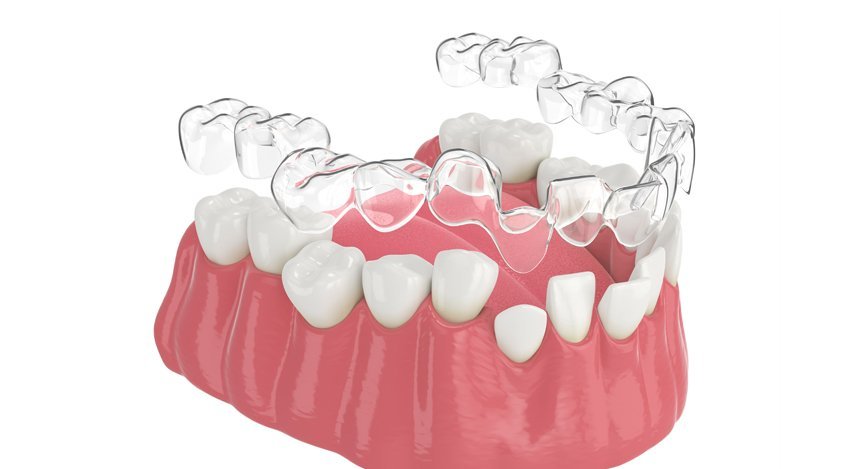
Hospital-supplied illustration

Render of a transparent aligner tray being seated over the lower arch

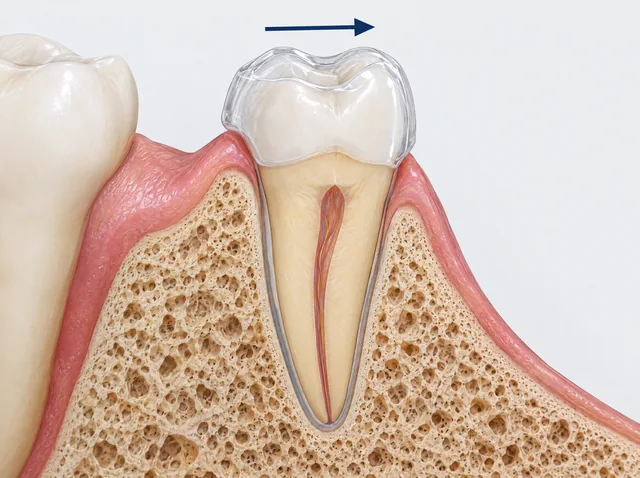
Tooth and supporting tissues

An enlarged partial tooth cutaway with a transparent cap, surrounding gum and bone, and a right-pointing arrow
AI educational illustration. An enlarged partial view of a tooth and its supporting tissues. The arrow indicates force direction, not measured movement or speed.

Pressure side

On the side the tooth moves towards, bone is resorbed as the tissues remodel.

Tension side

On the opposite side, new bone forms as the tooth moves.

Aligners alone, or another approach?

Aligners alone

When the examination supports this plan

Your teeth, bite and jaw relationship are assessed to decide whether aligners can carry out the planned movement on their own.

A combined approach

When one method is not enough

Different appliance approaches
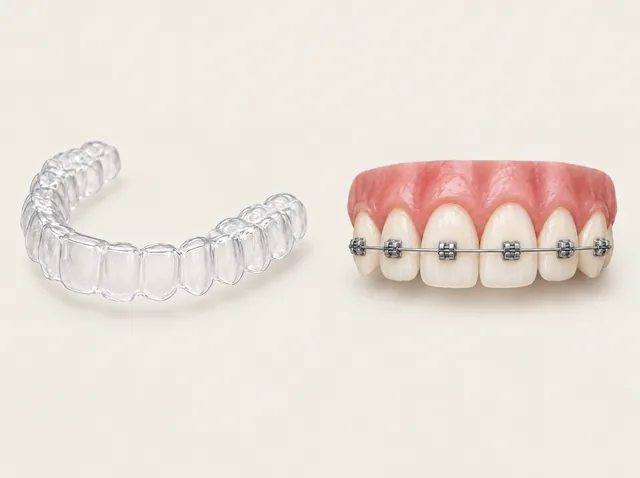
A separate empty clear tray beside an upper front-tooth model with external metal brackets and a wire
AI educational illustration. A clear tray and an external fixed appliance are shown separately. Whether and how approaches are combined depends on diagnosis; this does not show stacked wearing.

Some cases need aligners alongside another orthodontic approach. The combination is determined from the diagnosis.

Another method

For movements that need a different plan

An external fixed appliance
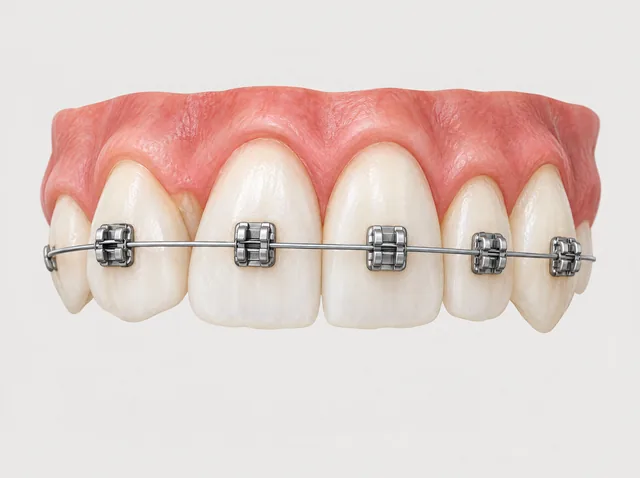
An upper front-tooth teaching model with metal brackets and a continuous wire on the outer surfaces
AI educational illustration. An example of a fixed appliance on the outer tooth surfaces. Suitability depends on the bite and the movement being assessed.

Severe crowding, a large bite discrepancy or substantial tooth movement may be better managed with brackets or another method. Clear aligners are not suitable for every case.

From examination to retention

  1. Assess suitability

    We review the teeth, bite and jaw relationship before choosing the treatment approach.

  2. Plan the aligner sequence

    Each custom tray has a slightly different shape. The planned movement path is reviewed before treatment begins.

    A prescribed tray sequence
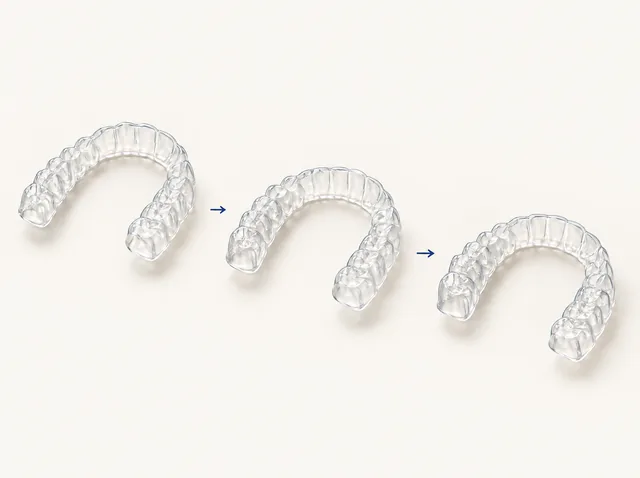
    Three separate transparent aligner trays with arrows indicating an order
    AI educational illustration. Separate trays illustrate an ordered sequence. Three trays do not represent a fixed total number of treatment stages.
  3. Wear and change as instructed

    The prescribed wear time and tray sequence are part of your treatment plan. Consistent wear helps the treatment follow that plan.

  4. Review progress and retain the position

    Regular checks assess whether the teeth are following the plan. Adjustments may be needed before moving on to retention.

Daily wear and long-term care

During treatment · Illustration

Meals and oral hygiene

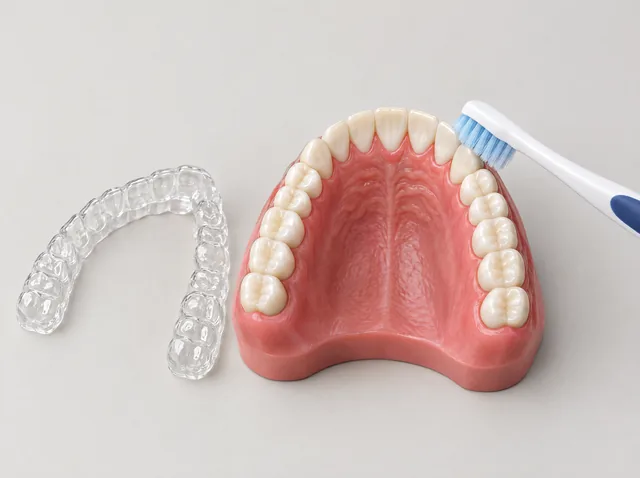
Brushing with the tray removed

A toothbrush touching exposed model teeth beside a separate removed clear tray
AI educational illustration. The tray is removed so the teeth can be cleaned. This is not a prescription for a particular brushing angle or technique.

Remove the trays for meals and brushing, then continue wearing them as prescribed.

After active movement

Retention still matters

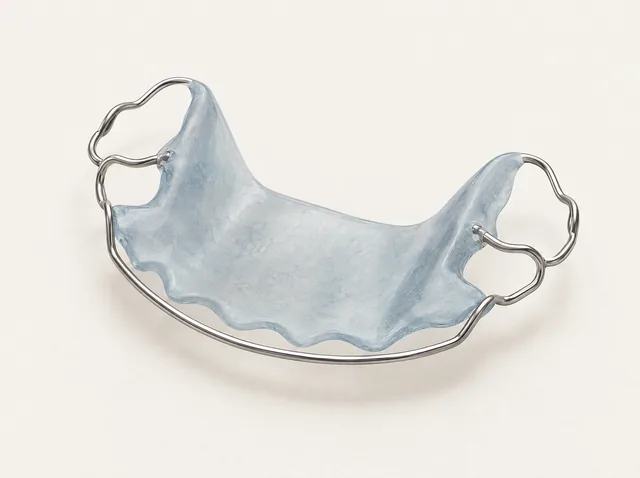
Retention after treatment

A separate removable-retainer example with a pale blue acrylic plate, front wire and side clasps
AI educational illustration. One removable-retainer example used to help maintain tooth position. It does not prescribe the same design or wearing schedule for everyone.

Retainers help maintain tooth position. Without retention, teeth can move back towards their previous positions.


Orthodontic team

Dr. Park Je-hyuk

Dr. Park Je-hyuk

Orthodontics

View profile
  • Board-certified specialist in Orthodontics (Ministry of Health and Welfare, Korea)
  • Board-certified specialist in Integrated Dentistry (Ministry of Health and Welfare, Korea)
  • Commendation from the Minister of Health and Welfare, Korea
  • Member, World Federation of Orthodontists (WFO)
  • Clinical poster presented at the American Association of Orthodontists (AAO) annual session
  • Certified provider, SERAFIN clear aligners and Incognito lingual braces
Dr. Park Jeong-hwan

Dr. Park Jeong-hwan

Orthodontics

View profile
  • Board-certified specialist in Orthodontics (Ministry of Health and Welfare, Korea)
  • Ph.D. in Orthodontics
  • Certified member, Korean Association of Orthodontists
  • Member, American Association of Orthodontists (AAO)
  • Clinical poster presented at the European Orthodontic Society (EOS) congress

Questions about timing and travel

How long does clear aligner treatment take?

Minor front-teeth alignment may take less time than a complex bite correction. A projected timeline specific to your plan is provided after the examination.

I am an international patient. How often would I need to fly to Korea?

The first diagnosis and treatment start are in person. The review interval depends on your treatment plan and progress; confirm required in-person visits before arranging travel. Refinements or unexpected problems may require extra visits. If your travel schedule cannot support the required supervision, the clinic will explain that before treatment begins.

On this page

Clear aligners

Contact the clinic