Today Dental / Treatments

Gum Health & Tooth Support

Gum Disease Treatment in Korea

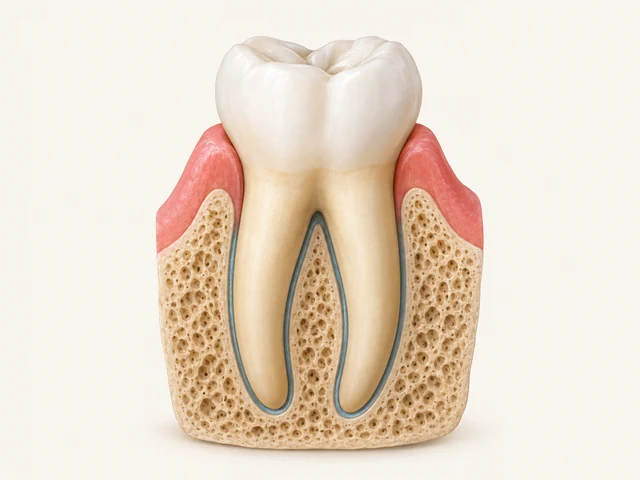
Gums and tooth support

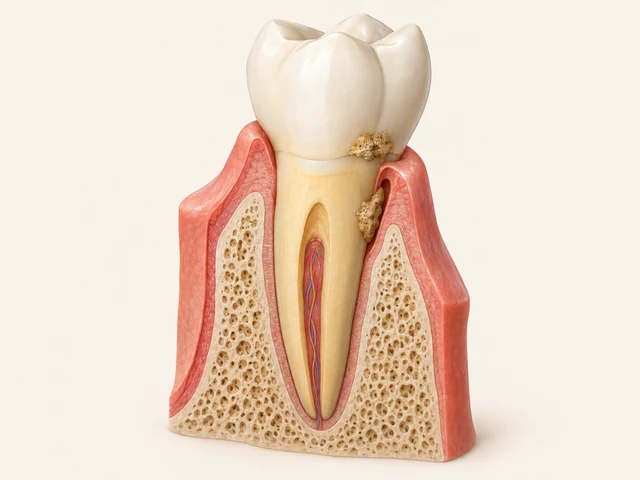
Molar model with coral gum above supporting bone and a thin colored band between the roots and bone.
AI educational illustrationThe view separates the gum collar from the tissues that support the roots.An examination determines whether disease affects the gums or deeper support.

Bleeding or swollen gums deserve an assessment even when they do not hurt. The condition of the tissues supporting the teeth determines the care plan and follow-up.

Inflammation and tooth support

Gingivitis affects the gums, while periodontitis involves loss of the tissues supporting the teeth. Symptoms alone cannot show how much support has been affected. A periodontal examination guides cleaning or root-surface treatment, followed by reassessment. Surgery may be considered for selected remaining problems; it is not a required next step for everyone. Ongoing hygiene and maintenance remain part of care.

Assessment
Gums & support

Examination, measurements and indicated imaging

Treatment
Match the findings

The same sequence does not apply to everyone

Follow-up
Reassess & maintain

Review the response and ongoing needs

Care selected for the condition

These options describe different levels of care. They do not mean that every patient needs all of them.

Professional cleaning and home care

Address plaque, calculus and hygiene

For gum inflammation, the plan may include professional removal of deposits and guidance on cleaning the teeth and between them. The examination establishes whether care beyond routine cleaning is needed.

Above and below the gum
Tooth cutaway with tan deposits on the lower crown above the gum margin and on the root below it.
AI educational illustrationDeposits can collect on tooth surfaces above and below the gum margin.The dentist assesses which areas need cleaning and what care is appropriate.

Scaling and root planing

Clean affected areas below the gum line

When indicated, scaling and root planing remove plaque and calculus from affected root surfaces below the gum line. Areas treated, appointments and comfort measures are planned from the periodontal findings, with a review of the response afterwards.

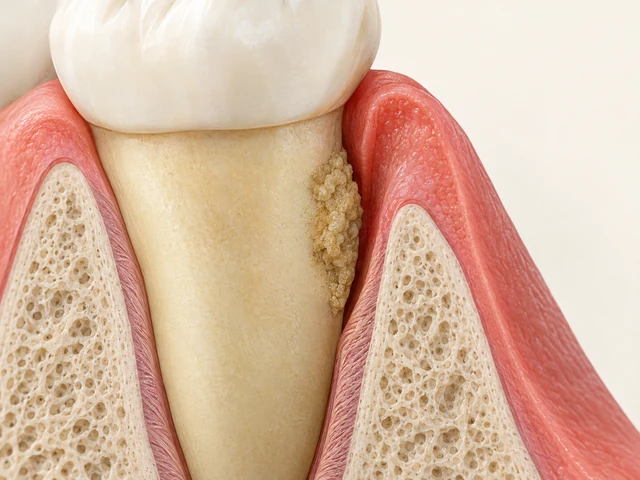
A closer look at the root

Enlarged root-surface section with a tan deposit beside the gum pocket and separate supporting bone.
AI educational illustrationThe close view locates a root surface that may need selected periodontal cleaning.Treatment depth and method require an individual periodontal assessment.

Surgery for selected remaining problems

Consider after reassessment when indicated

Some deep or persistent areas may not be adequately managed with non-surgical care alone. A surgical assessment can then be discussed. The technique and purpose depend on the remaining problem; this does not mean that every patient needs surgery or a graft.

Assess, treat, reassess and maintain

This is a planning sequence, not a fixed series of appointments. The response to care helps determine what happens next.

  1. Assess the periodontal condition

    The dentist examines the gums, measures periodontal pockets and assesses tooth support, with imaging when indicated. Discuss bleeding, swelling, sensitivity, tooth mobility and relevant health or medication history.

  2. Provide the selected initial care

    The plan may involve professional cleaning or scaling and root planing, together with oral-hygiene guidance. The treatment areas and appointments depend on the findings rather than a standard package.

  3. Reassess the response

    The dentist reviews inflammation and the areas treated to identify remaining needs. Discuss additional care or surgical assessment only where indicated. A gum graft for recession has a different purpose from treating periodontal pockets.

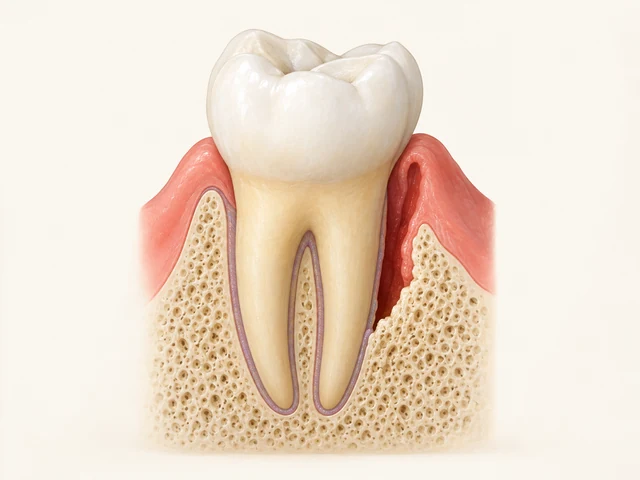
    Reassessing a persistent area

    Tooth-support cutaway showing a deep gum pocket and an angular bone defect beside one root.
    AI educational illustrationOne example of an area that may need further review after initial periodontal care.Surgery is considered for selected remaining needs after reassessment.
  4. Plan continuing maintenance

    Agree on ongoing cleaning and periodontal reviews. Control of gum disease is considered before separately planned cosmetic or implant treatment; those treatments are not automatic next steps.

Daily care and periodontal reviews

Care at home

Follow the cleaning instructions for your teeth, interdental spaces and any treated areas. Tell the dental team about symptoms that persist or worsen so they can advise whether a review is needed.

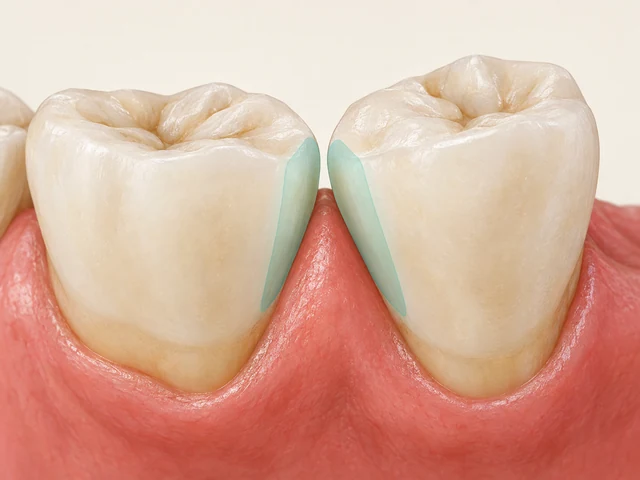
Care between the teeth

Two adjacent teeth with pale-aqua marks on the facing surfaces beside the gum papilla.
AI educational illustrationThe tinted surfaces mark an interdental cleaning area for ongoing home care.Follow the cleaning instructions and review interval agreed with your dentist.

Ongoing review

Attend the periodontal maintenance visits agreed with the dentist to assess inflammation, tooth support and cleaning needs. The interval and any further treatment depend on your condition and response.

Questions before arranging care

Do gums need checking if they bleed but do not hurt?

Yes. Gum disease may cause little pain, and pain level cannot establish its severity. A dental examination can distinguish gum inflammation from disease affecting tooth support and guide the appropriate care.

Can periodontal care be completed during a short trip?

A short visit may allow assessment or selected treatment, but reassessment and maintenance can extend beyond the trip. Share your dates and confirm which visits can be planned, what follow-up is needed and how care should continue after you return home.

On this page

Gum Disease Treatment in Korea

Contact the clinic