Clinical examination and X-ray diagnosis
The dentist examines the painful or damaged tooth and reviews X-ray findings before deciding the treatment and restoration plan.

The tissue inside the tooth
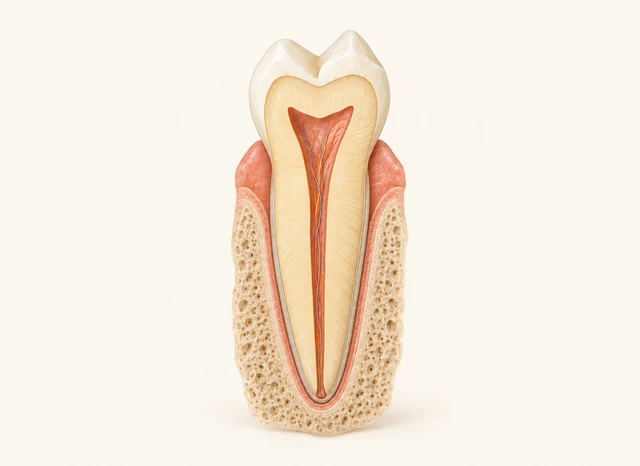
When deep decay or damage inflames or infects the tissue inside a tooth, root-canal treatment may be considered. Diagnosis comes before the treatment and restoration plan.
Root canal treatment is used when deep decay or other damage inflames or infects the tissue inside a tooth. The dentist opens the tooth, removes infected tissue from the root canals, cleans and seals the canals, then protects the weakened tooth with an appropriate restoration or crown. The number of visits depends on infection and tooth condition.
These are treatment phases, not a fixed number of appointments. The visit plan depends on the diagnosis and treatment required.
The dentist examines the painful or damaged tooth and reviews X-ray findings before deciding the treatment and restoration plan.
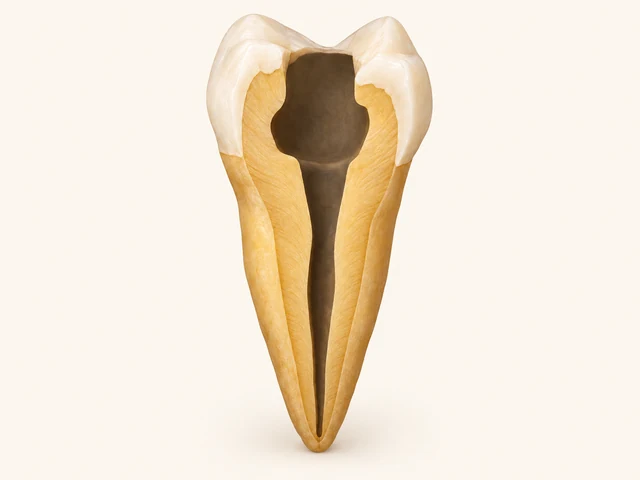
The tooth is opened so the dentist can reach the tissue inside the root canals and remove the infected tissue.
Reaching the internal space
The canals are cleaned and filled, then sealed as part of root-canal care. Canal filling is separate from the final restoration of the tooth above it.
The space to be cleaned
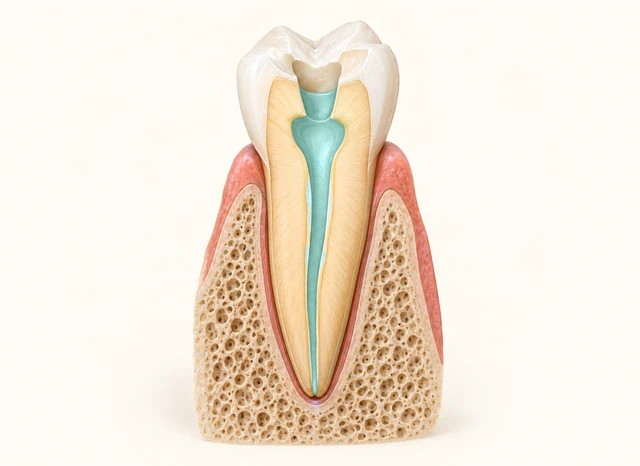
Filling the canals
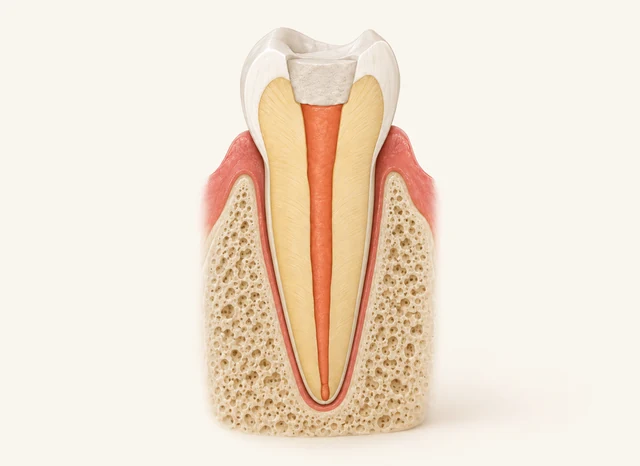
The dentist reviews the appropriate final restoration or crown to protect the weakened tooth. The choice depends on the remaining tooth and clinical assessment.
The final restoration
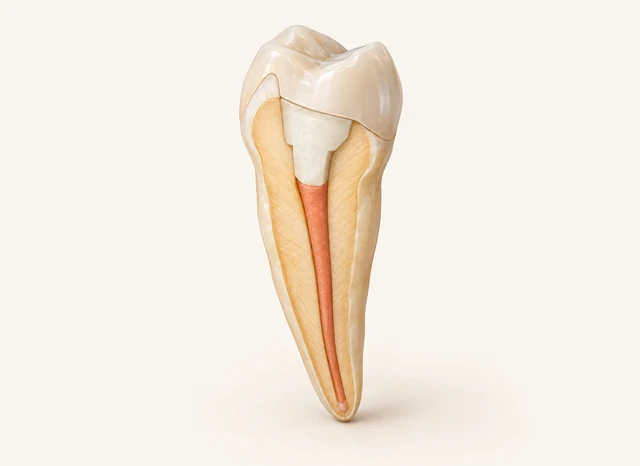
Root-canal treatment or retreatment may preserve a damaged tooth when its remaining structure and surrounding support make this feasible. The dentist assesses the tooth before recommending treatment and explains alternatives, including extraction when preservation is not appropriate.
Tooth location, canal complexity, existing infection and the restoration needed can change the treatment plan. Root-canal treatment can require more than one visit; confirm the required appointments before arranging a short stay.