
Today Dental / Treatments

Gum Shape & Smile Assessment

Gum Contouring in Korea

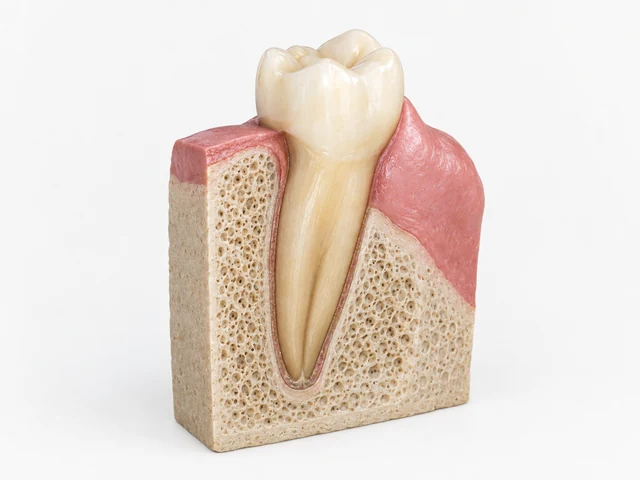
Tooth, gum and supporting bone

Educational cutaway showing a tooth inside gum and supporting bone.
AI educational illustrationAI educational cutaway of a tooth, gum and supporting bone. The internal view does not show a tissue-removal plan or external root exposure.Simplified anatomy for assessment context; no measurements or surgical plan are shown.

Uneven gum margins, visible pigmentation and receding gums are different concerns. Start with the cause and gum health before choosing an appearance-related treatment.

Match the treatment to the concern

Gum contouring changes the gum margin in selected cases where its shape affects the smile. The dentist assesses the gums, tooth proportions and supporting bone before deciding whether reshaping is suitable. Pigmentation treatment changes a different feature, while recession may need a separate soft-tissue assessment. These are alternatives for different concerns, not a package everyone needs.

Shape
Gum margin
Assess tooth proportions and tissue health
Colour
Cause first
Pigmentation is separate from contouring
Recession
A different plan
Removing more gum is not the same as grafting

Different concerns, different options

The examination determines whether any of these options is relevant. Each addresses a different concern; they are not consecutive treatment stages.

Gum-margin reshaping

For selected shape-related concerns

Gum-margin shape
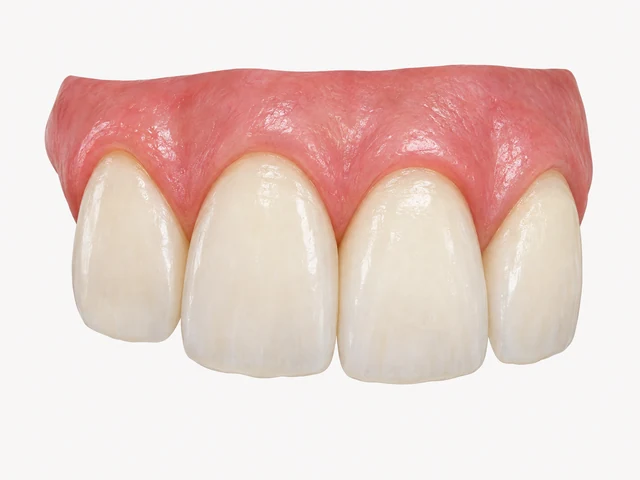
Illustrated front teeth with a subtle variation in neighbouring gum margins.
AI educational illustrationAI educational example of gum-margin shape variation. Appearance alone does not show whether reshaping is suitable.The example is not a target gum line. An assessment may lead to another plan or no procedure.

Laser gum reshaping may be considered for selected uneven margins or excessive gum display. Suitability depends on the cause, available tissue and its relation to the teeth and bone. A gummy smile does not automatically mean that removing gum is appropriate.
Pigmentation assessment

A colour concern, not a gum-line procedure

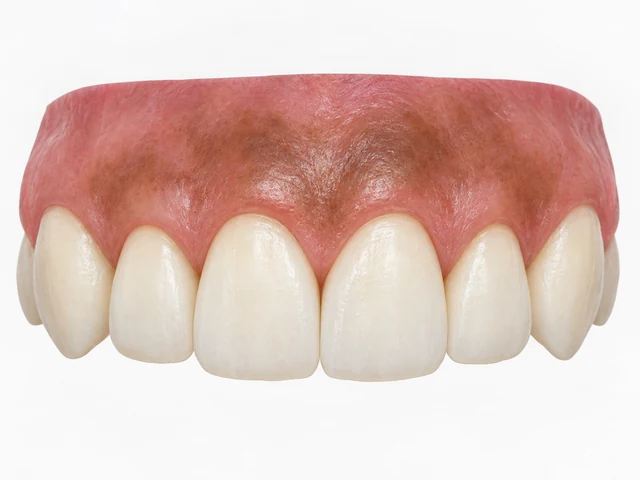
Gingival pigmentation

Illustrated intact gum surface with brown pigmentation above the teeth.
AI educational illustrationAI educational example of gingival pigmentation. Colour alone does not determine gum health or the need for treatment.This is separate from gum shape. A particular pink shade is not a treatment requirement.

Melanin-removal treatment is an option when appropriate. First discuss the cause of the colour and whether any change needs investigation. Gum colour alone does not define health, and a particular pink shade is not a treatment requirement.

Recession and soft-tissue care

A separate assessment for lost tissue

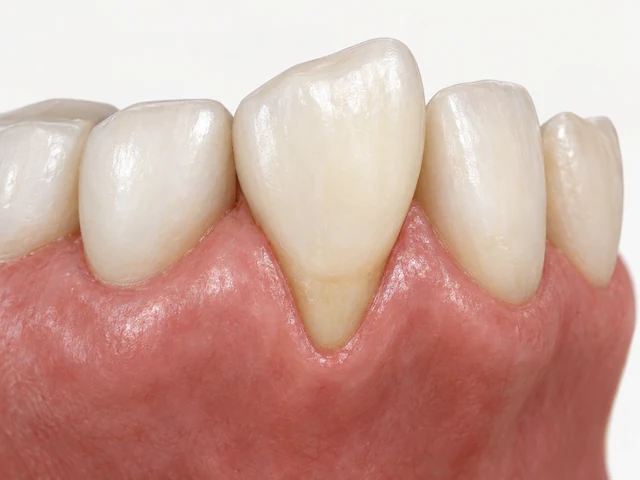
Localized root exposure

Illustrated outer gum surface with a lowered margin and a visible root segment.
AI educational illustrationAI educational example of localized external root exposure. The illustration does not determine its cause or whether grafting is appropriate.This concern needs a separate soft-tissue assessment; it does not suggest removing more gum.

An exposed root or insufficient soft tissue may lead to an assessment for gum grafting. This aims to address a tissue deficit rather than remove more gum. The reason for recession, periodontal condition and suitability for grafting need to be assessed first.

From assessment to an individual plan

A treatment plan follows the diagnosis. Not every concern needs a procedure, and inflammation may need attention before appearance-related care.

  1. Assess gums, teeth and bone

    The dentist examines the gum condition, margin, tooth proportions and supporting bone. Discuss bleeding, sensitivity, recession, changes in colour and the aspect of your smile that concerns you.

  2. Agree on the purpose and limits

    Distinguish reshaping from pigment treatment and recession care. Discuss whether treatment is suitable, what tissue can be managed and whether other dental care should come first.

  3. Carry out the selected treatment

    If a procedure is selected, confirm the technique, anaesthesia needs and expected appointments for that procedure. Laser use does not mean that all treatments share the same duration, discomfort or recovery.

  4. Review healing and the gum margin

    Follow the review plan to assess tissue healing and the treated area. The dentist decides when it is appropriate to evaluate the appearance or proceed with any separately planned restorative care.

Care depends on the procedure

Instructions for the treated area

Ask how to clean the treated area, manage discomfort and contact the team if a concern arises. Follow the instructions for your procedure rather than assuming all gum treatments have a short or identical recovery.

Follow-up and travel planning

Attend the reviews arranged to assess healing, gum condition and the treated area. Confirm the follow-up plan before travel; appointment numbers and timing depend on the selected treatment and your response.

Questions before choosing treatment

Does a gummy smile always need gum removal?

No. The appearance alone does not establish the cause or the amount of tissue that can be changed. An examination is needed before deciding whether reshaping, another plan or no procedure is appropriate.

Can I plan around a fixed treatment time or two visits?

Confirm your own plan first. Reshaping, pigment treatment and grafting are different procedures, and assessment, anaesthesia and review needs vary. Share your travel dates and ask for the appointments needed for the selected care.

On this page

Gum Contouring in Korea

Contact the clinic