Today Dental / Treatments

Wisdom Tooth Assessment

Wisdom Tooth Removal in Korea

Position beside the next molar

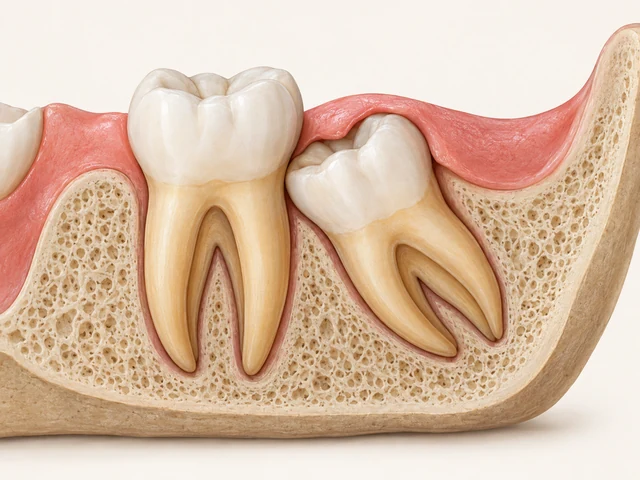
Lower-jaw cutaway with an upright second molar and a separate angled wisdom tooth partly under gum.
AI educational illustrationOne example of how a wisdom tooth can sit near the next molar, gum and bone.Removal depends on disease and assessed risk, not position alone.

Start with the tooth position, symptoms and nearby structures. Examination helps decide whether removal is needed and how treatment or monitoring fits your visit.

What is checked before removal?

A wisdom tooth may trap food or be associated with decay, infection or damage to the next molar. The dentist checks the tooth and surrounding area with an examination and X-rays, adding 3D imaging when needed. The findings guide whether to remove it or monitor it, and when care can be arranged. A short travel schedule alone does not determine the plan.

Position
Individual assessment

Impaction and adjacent structures

Decision
Removal or monitoring

Based on disease and assessed risk

Travel
Leave room for review

Confirm recovery needs before booking

Removal and monitoring are different plans

These are management choices after assessment, not stages that every patient completes. The dentist explains the reasons, risks and follow-up needs for the option being considered.

Removal when indicated

Address an assessed problem or risk

Removal may be considered when the tooth is associated with disease, damage or a significant assessed risk. Impaction and the relationship to nearby nerves can affect planning and surgical difficulty. Imaging helps assess these relationships; it does not eliminate surgical risk.
Retain with planned monitoring

An active plan, not ignoring the tooth

When there is no disease or significant assessed risk, the dentist may recommend retaining the tooth with clinical and imaging follow-up. Not having pain is not enough to make that decision by yourself. Ask what changes should prompt an earlier review.

Reviewing a retained tooth

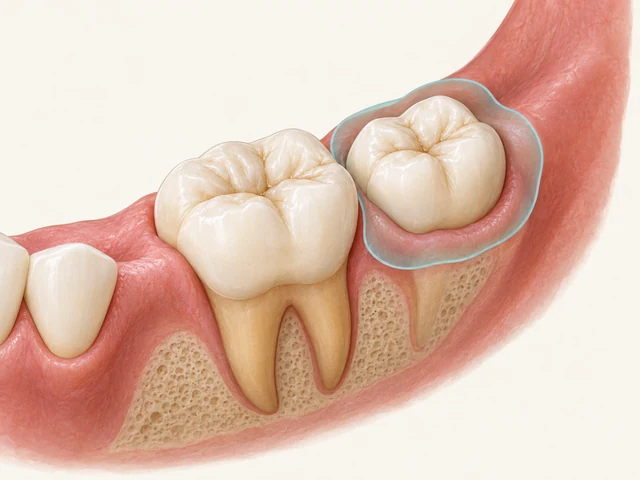
Retained wisdom tooth behind the second molar with a pale-aqua outline around the tooth and nearby gum.
AI educational illustrationA retained wisdom tooth still needs the clinical and imaging follow-up in its monitoring plan.Being pain-free alone does not determine whether retaining the tooth is appropriate.

Assessment, a selected plan and review

This describes decisions in care, not a fixed number of appointments. Extraction is included only if selected after assessment; retained teeth follow a monitoring plan instead.

  1. Examine and review imaging

    Discuss symptoms, previous dental care, medical conditions and medicines. The dentist examines the tooth and surrounding area and reviews X-rays; 3D imaging is added when needed to clarify the tooth position and nearby structures.

    Structures assessed around the roots

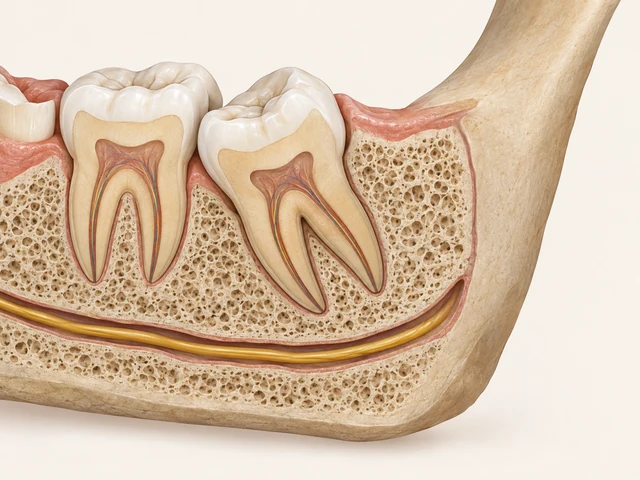
    Lower-jaw cutaway showing molar roots above a separate bony canal containing a gold-colored nerve bundle.
    AI educational illustrationThe illustration locates roots and a nearby canal that imaging may help clarify.The actual relationship and need for 3D imaging are assessed individually.
  2. Choose removal or monitoring

    Review the findings, benefits and risks, anaesthesia requirements if a procedure is planned, and available follow-up. Share your travel dates before agreeing on the timing. Do not assume that a requested appointment guarantees same-day extraction.

  3. Follow the selected plan

    If extraction is chosen, confirm the procedure and aftercare instructions before treatment. If the tooth is retained, follow the agreed cleaning and review plan rather than proceeding to extraction automatically.

  4. Review healing or reassess the retained tooth

    After extraction, attend the review arranged for healing and any concerns. With monitoring, return as planned to reassess the tooth. Changes in symptoms or findings can change the next step.

After extraction and before travel

Follow your aftercare instructions

After extraction, follow the instructions on eating, cleaning, medicines and activity. Discomfort, swelling and healing vary; use the plan given for your procedure rather than a fixed recovery timetable.

Review after an extraction

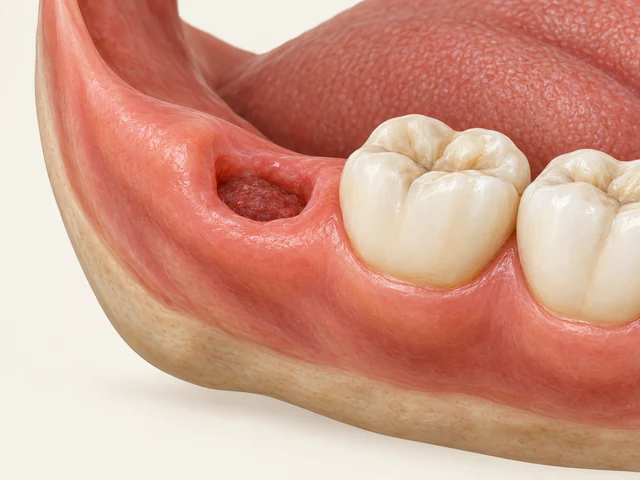
Posterior extraction socket with dark-coral contents behind an intact neighboring molar.
AI educational illustrationAfter a selected extraction, the treated area is checked during follow-up.Appearance alone cannot confirm healing or readiness to travel.

Confirm review before leaving Korea

Ask when the treated area should be reviewed and how to contact the team about concerns. Worsening or persistent pain needs advice from the treating clinician. Confirm travel arrangements against your progress; this page cannot provide clearance to fly.

Questions before booking

Does every wisdom tooth need removal?

No. The dentist assesses disease, risk and whether the tooth can be retained with monitoring. A tooth without pain still needs assessment; the decision is not based on symptoms alone.

Is a 3D scan required for everyone?

Not automatically. The examination and initial X-rays guide whether further imaging is needed to assess position and nearby structures. The dentist explains why a scan is being recommended.

Can removal fit into a short visit to Korea?

Share your dates before booking. Whether removal is suitable, its difficulty and the follow-up needed must be assessed first. Leave flexibility for recovery rather than assuming a specific treatment or departure day.

What helps with an initial enquiry?

Explain the symptoms, share any existing dental images through the consultation channel, and provide your travel dates. Initial guidance does not replace an examination or confirm the final fee or treatment plan.

On this page

Wisdom Tooth Removal in Korea

Contact the clinic