Teeth have shifted
Start with an assessment of the change
Tell us which teeth have spread, tilted or become harder to clean. The examination looks beyond alignment to the gum and bone support around those teeth.

The tissues supporting your teeth
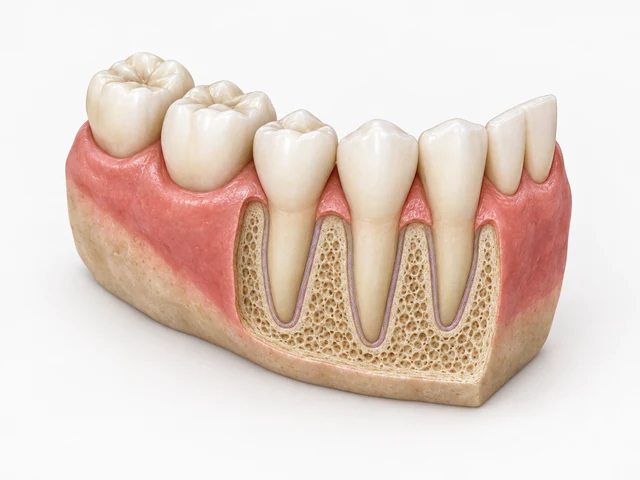
If your teeth have shifted over the years, planning starts with the tissues supporting them. We look at your gums, existing dental work and health history before choosing an appliance.
Being in your 40s or 50s does not by itself rule out orthodontics. Gum health, supporting bone, existing implants and medical conditions guide the decision. Some people need gum treatment first; for others, orthodontics may not be advisable. An in-person examination is needed to decide.
Teeth have shifted
Tell us which teeth have spread, tilted or become harder to clean. The examination looks beyond alignment to the gum and bone support around those teeth.
I am worried about my gums
Let the team know about gum problems or treatment you have already had. This helps the orthodontist and periodontal team decide how care should be coordinated.
I want a less visible appliance
If work or social situations make appliance visibility a concern, bring that into the discussion. Lingual braces and clear aligners may be considered after the clinical assessment.
These topics help prepare the conversation; selecting one does not determine whether you can have treatment.
The consultation reviews gum condition, existing implants or restorations, and relevant health conditions. Bring these details into the discussion before an appliance is selected.
A natural tooth and an existing implant
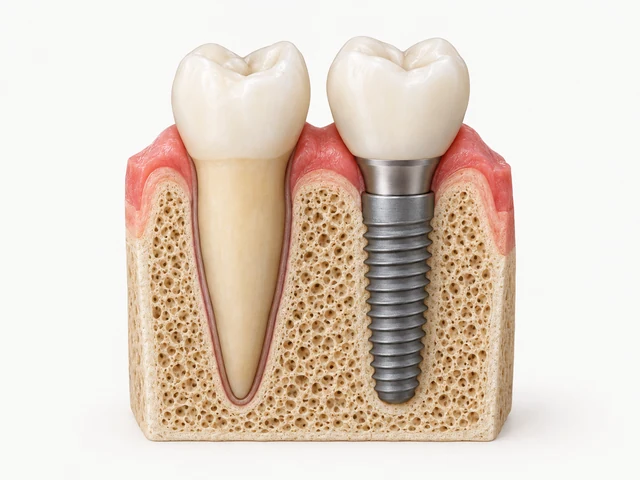
The orthodontist assesses the supporting bone and tooth roots through examination and any imaging needed for your case. 3D imaging may be used when clinically indicated. These findings help inform the plan; imaging alone does not establish treatment safety.
Roots and supporting bone
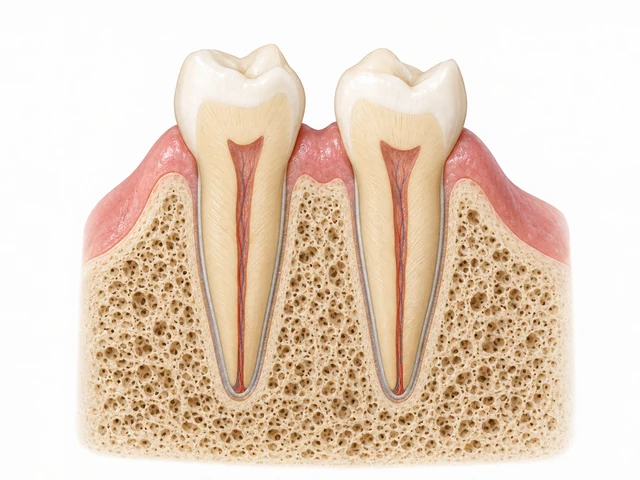
Orthodontic, periodontal and general dental care are coordinated around the findings. Gum treatment may come first, and the plan may need to change if oral health changes during orthodontics.
This diagram explains the general movement of a natural tooth. It does not show your bone level or establish whether orthodontics is suitable for you.
How the supporting tissues respond
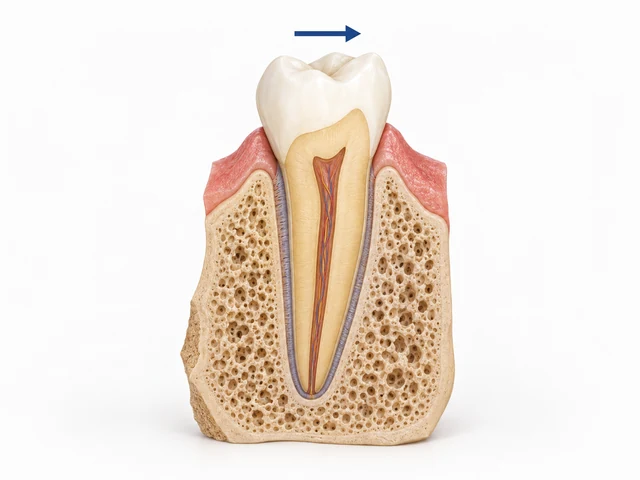
On the side the tooth moves towards, bone is resorbed as the tissues remodel.
On the opposite side, new bone forms as the tooth moves.
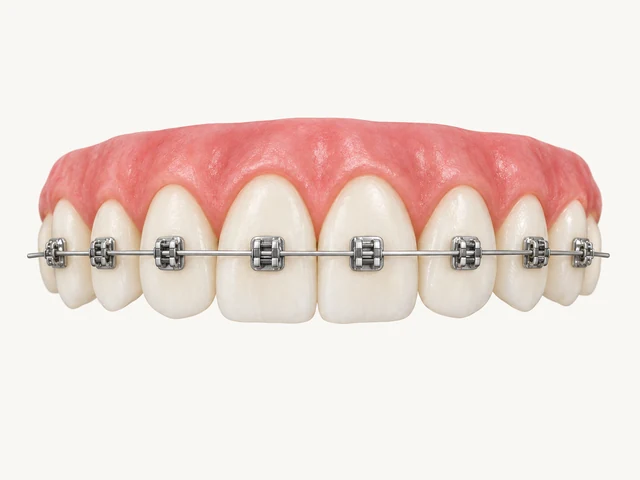
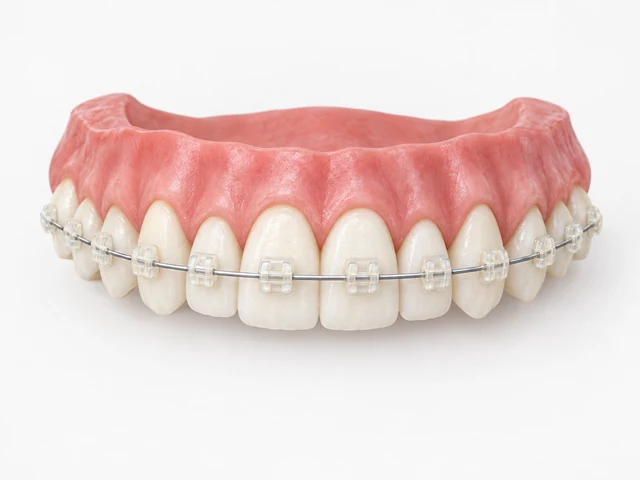
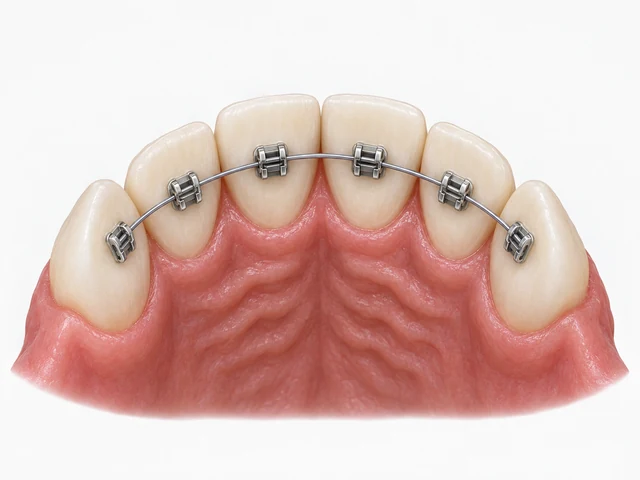
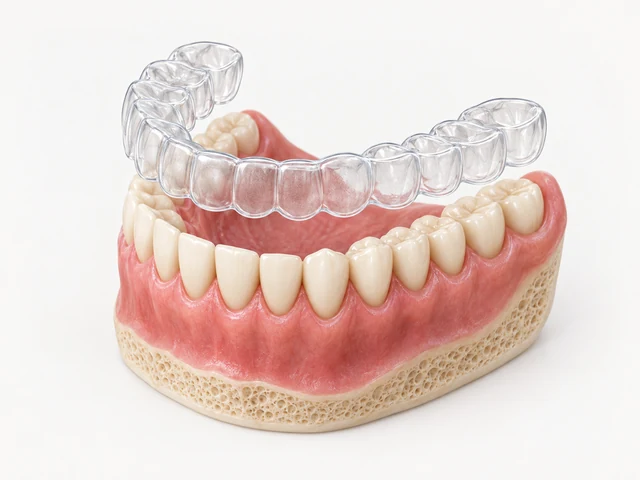
The drawings show how appliances are worn. Appearance is one consideration, alongside the condition of your teeth and gums.
Metal or tooth-coloured brackets
Brackets and a wire sit on the outer surfaces of the teeth. Metal and ceramic versions differ in appearance; the illustration does not rank their suitability for an individual case.
External metal brackets
Tooth-coloured ceramic brackets
Attached behind the teeth
The appliance is fixed to the tongue-side surfaces of the teeth. It is an option to discuss if you are concerned about visible brackets, subject to examination and treatment planning.
Brackets on the inner tooth surfaces
Removable trays
Transparent trays fit over the teeth and can be removed. Whether they suit your planned tooth movements and gum condition is a clinical decision, not something their appearance can tell you.
A removable clear aligner
After active treatment
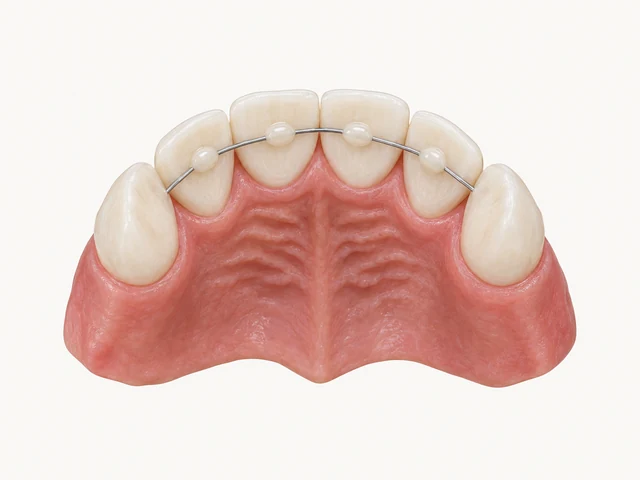
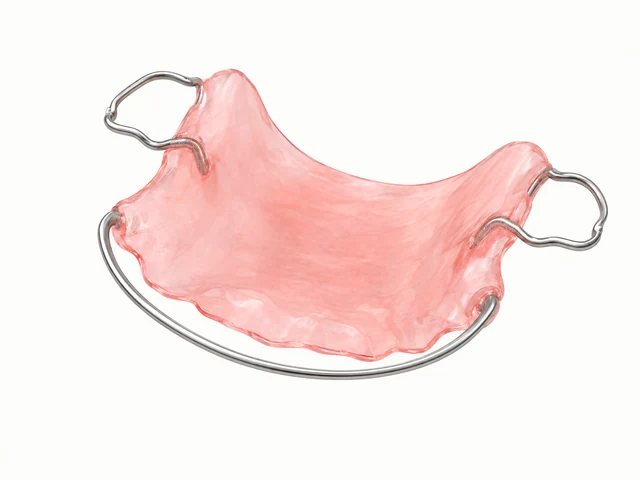
Teeth can shift again after orthodontics. Follow the retainer instructions given for your case.
The type of retainer and its wear schedule are decided individually. The diagram shows fixed and removable designs, not a prescribed schedule.
A bonded retainer
A removable retainer

Orthodontics
Orthodontics
A dental implant does not move like a natural tooth during orthodontics. Its position must be considered when planning movement of the surrounding teeth. Having an implant does not by itself answer whether orthodontics is possible; your overall condition needs assessment.
Tell the team about your health conditions and the medicines you take, including medicines related to bone health. These details are reviewed before planning treatment. The orthodontist may need to discuss your care with the doctor who manages those conditions.
Discuss your ability to return before committing to treatment. Regular in-person reviews are needed throughout orthodontics, including checks of gum condition. If you cannot attend the necessary visits, starting may not be advisable. A pre-visit discussion can help clarify the next steps, but feasibility is confirmed only after an in-person examination.