Implant Center

Flapless Implant in Korea

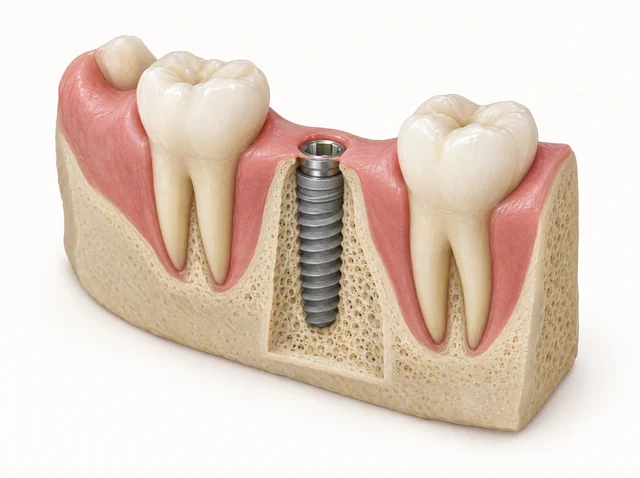
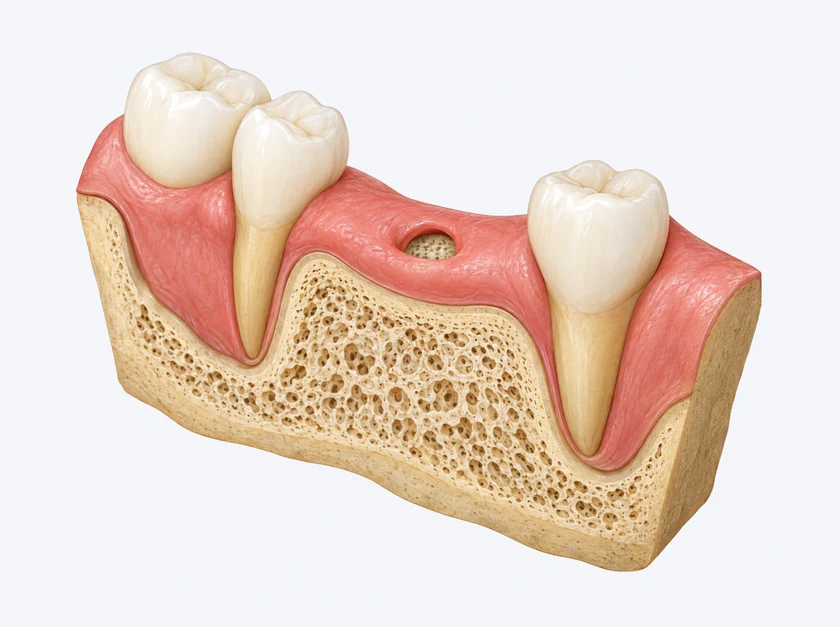
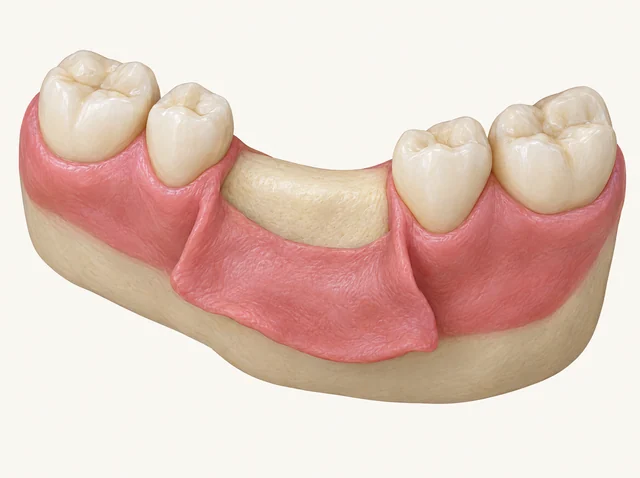
Instead of opening the gum with an incision, the implant is placed through a small, precisely positioned opening. Bleeding, swelling, and recovery time are reduced, provided your jawbone is healthy enough for this approach.

Final treatment plan, cost and duration are confirmed after in-clinic diagnosis.

Quick Answer

A flapless implant is placed through a small opening in the gum rather than a surgical incision, which lowers the chance of bleeding and inflammation and shortens the overall treatment period. Because the bone is not directly exposed during surgery, this method is recommended only when the jawbone is healthy and has sufficient volume. A 3D CT diagnosis determines whether the flapless approach is safe for your case.

Who it fits

Patient concerns this page answers

Process

From photo consultation to in-clinic diagnosis

01

3D Diagnosis to Confirm Bone Health

3D CT imaging precisely evaluates the height, thickness, and density of your jawbone to confirm whether the flapless approach is appropriate. If bone support is insufficient, we honestly recommend a safer alternative such as a bone graft instead of forcing the flapless method.

02

Minimal Access Without Incision

Only a small opening the size of the fixture is made at the exact planned position, with no flap raised. This keeps the surgical wound minimal and usually removes the need for sutures.

03

Fixture Placement in One Stage

The fixture is placed at the planned depth and angle through the small opening. Because the gum does not need to be opened and re-healed, the procedure is simplified from two surgical stages to one, reducing the burden of surgery.

04

Recovery and Prosthesis Connection

With no incision to heal, gum recovery tends to be faster. Implant stability is measured with ISQ equipment, and the prosthesis is connected at the optimal time confirmed by the data.

Care system

How this center cares for patients

Honest Case Selection Comes First

Flapless implants offer simpler procedures and faster recovery, but they require a healthy gum and sufficient bone. If the jawbone is weak, the implant may loosen after placement, so we recommend the flapless method only when diagnosis confirms it is safe for you.

Stability Measured, Not Guessed

Before surgery, 3D CT defines the treatment plan based on your actual bone condition. After placement, the bond between implant and bone is measured with ISQ equipment so the prosthesis is connected only when the data supports it.

Up to 5-Year Implant Quality Care Program

After treatment, quality care and regular check-up guidance are provided for up to five years, and a warranty certificate is issued. Conditions apply, and details are confirmed during your visit.

FAQ

Questions Patients Ask

Who is not a candidate for flapless implants?

Patients with insufficient bone height or width, severe gum disease, or significant bone resorption are generally not suited to the flapless method, because the implant needs healthy bone to hold firmly. In these cases a bone graft or a conventional approach is usually safer. The right method is decided after 3D CT diagnosis.

Does flapless mean the procedure is completely painless?

No procedure can promise zero pain, and sensitivity varies by patient. However, because only a small opening is made at the necessary position without incision, post-operative discomfort, swelling, and bleeding tend to be reduced compared with flap surgery, and anesthesia is used during the procedure.

How does the flapless method shorten the treatment period?

Because the gum is not cut open, there is no incision-healing period, and the procedure is simplified from two surgical stages to one. The overall timeline still depends on how quickly the implant integrates with your bone, so the exact schedule is confirmed after diagnosis.

Still unsure? Send photos first.

Send Photos First
LINE Photo Consultation