A visible change in the gum line
The dentist checks the extent of recession and the surrounding tissue before discussing coverage or tissue augmentation.

Where the root is exposed
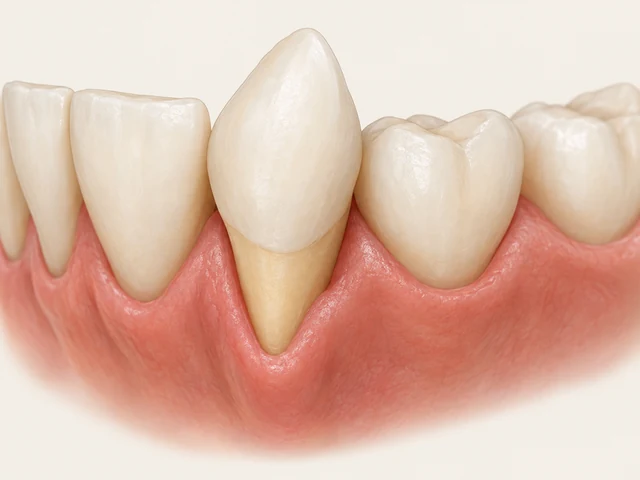
Exposed roots and a receding gum line need assessment of the surrounding tissue and cause. A graft is one possible treatment, not an automatic next step.
Gum recession exposes part of the tooth root. Depending on the tissue and cause, a dentist may consider repositioning nearby gum or grafting soft tissue to cover an exposed area or increase gum tissue. The method and achievable coverage are assessed individually. Regeneration for periodontal support loss is a separate, condition-dependent option.
Recession, roots and gum health
Options are not successive stages
Confirm the healing and suture plan
Appearance or sensitivity alone cannot determine whether a graft is needed. An examination is required.
The dentist checks the extent of recession and the surrounding tissue before discussing coverage or tissue augmentation.
Sensitivity needs an assessment of its cause. It does not by itself confirm recession or suitability for grafting.
Previous gum disease and brushing habits are reviewed alongside the current condition of the gums.
A longer-looking tooth can prompt a gum assessment. The treatment decision depends on the clinical findings, not appearance alone.
The following describe different approaches. They are not three operations that every patient receives, and some approaches may be combined when indicated.
Uses the tissue around the affected site
A flap approach repositions nearby gum towards an exposed root. Whether this is suitable depends on the local tissue and recession; it may be used with grafting in a selected plan.
Nearby tissue as an option

Transfers tissue to the recipient area
A graft adds tissue at the affected area. One possible method uses tissue from the palate, including connective tissue. The donor site, placement and intended coverage are confirmed for the selected procedure.
One possible tissue source

Soft tissue at the recipient site

A different periodontal indication
Regenerative treatment may be considered for selected defects in the bone and supporting tissues caused by periodontal disease. It is not a synonym for gum grafting or a routine extra step for every exposed root.
A supporting-tissue defect

The sequence below describes planning and care if a procedure is appropriate. The number and spacing of appointments depend on the selected plan.
The dentist examines the exposed root, extent of recession, surrounding tissue and gum health. The cause and available tissue help determine whether a procedure is appropriate and which approach to discuss.
Brushing habits and plaque control are reviewed. If gum disease or deposits require treatment, the dentist may recommend cleaning or periodontal treatment before surgery; deep cleaning is not automatically required for every recession case.
The agreed method is carried out at the recipient area. If the plan uses tissue from a donor site, that site is included in the care plan. The intended coverage and limitations are discussed before treatment.
Reviews assess the treated area and any donor site. Sutures may dissolve or need removal, depending on the method and material. The dentist confirms the review schedule as healing is assessed.
Follow the cleaning and care instructions for the recipient site and any donor site. Confirm which areas can be brushed and when.
If pain, bleeding or other concerns arise, contact the clinic for advice rather than using a travel date as a sign that healing is complete.
Sites to review
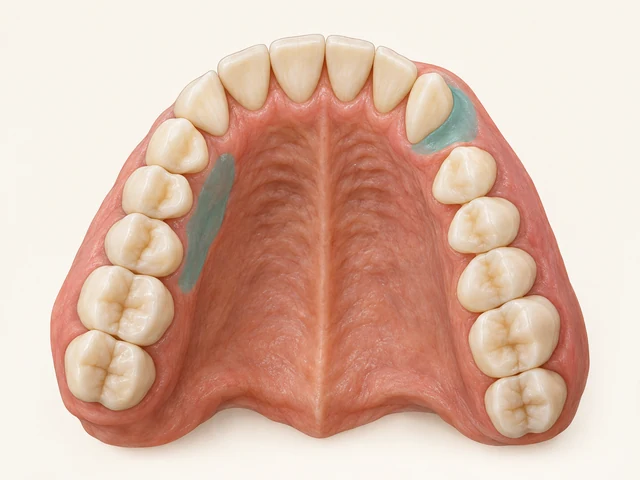
Attend the appointments arranged to check healing and determine whether sutures need removal. Continued gum care and review remain part of the plan after the initial wound check.
Using tissue from the palate is one method, not a rule for every case. Ask which procedure and donor site, if any, are planned for you, and how each treated site will be reviewed.
Suitability for a short stay depends on the examination, procedure and healing reviews. There is no fixed departure date based only on the surgery day. Confirm the required in-person visits and any suture removal before arranging travel.