Symptoms returned
Your root-treated tooth hurts again, or you notice swelling or a small gum boil near it

A previously treated tooth
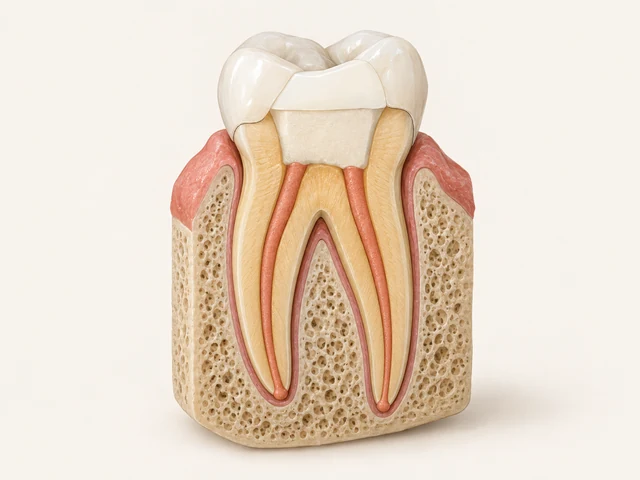
When a root-treated tooth becomes painful or infected again, retreatment may still save it. Our specialists reopen the tooth and re-clean canal systems that are fine, curved and easy to miss.
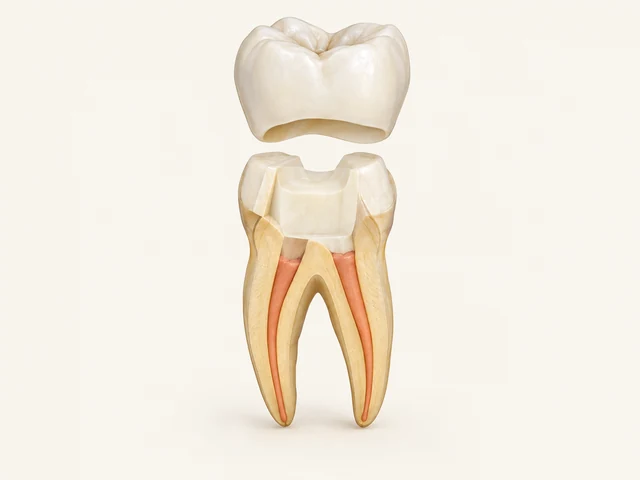
Retreatment may be considered when a previously root-treated tooth develops persistent or new problems. The dentist removes old filling material, re-examines and cleans the canals, then refills them and plans the final restoration. Canal anatomy, new decay or problems with an existing restoration can affect the assessment. Whether the tooth can be preserved depends on its condition.
The treatment plan is confirmed after examination.
Your root-treated tooth hurts again, or you notice swelling or a small gum boil near it
You finished root-canal treatment but have not completed the final restoration recommended for your tooth, and symptoms have returned
You were told the tooth may need to be extracted and want a specialist to confirm whether it can be saved
Your canals are unusually fine or curved and were difficult to treat at a previous clinic
These are treatment phases, not a fixed number of appointments. The visit plan depends on the diagnosis and treatment required.
We take X-rays and examine the tooth to locate the source of infection, then judge whether retreatment can realistically save it. If extraction is the more sensible option, we will tell you so before any treatment begins.
The existing root filling — and the crown or filling above it, when necessary — is carefully removed so the specialist can reach the full canal system again.
Reaching the canals again
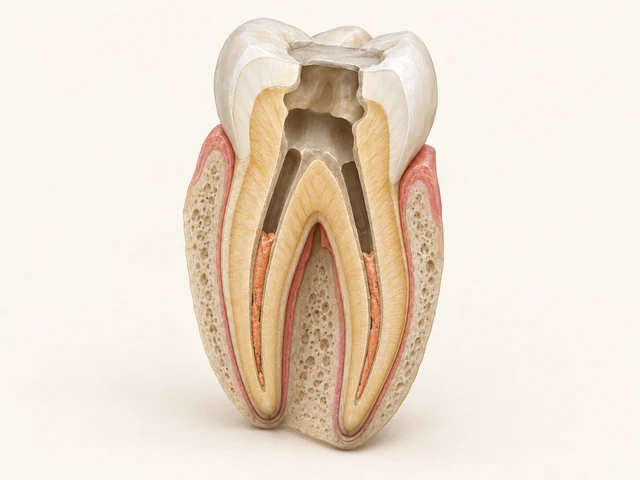
Canal anatomy is often fine, curved and branched, which is why infection can persist after a first treatment. Each canal is located, cleaned and disinfected individually. Depending on how stubborn the infection is, this stage may take more than one visit.
A curved canal and branch
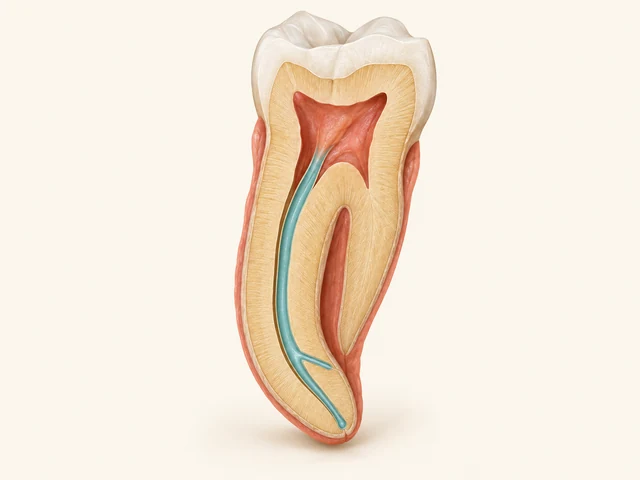
Once the canals have been cleaned, they are filled and sealed again. The tooth still needs its final protective restoration to be planned.
Refilling and sealing
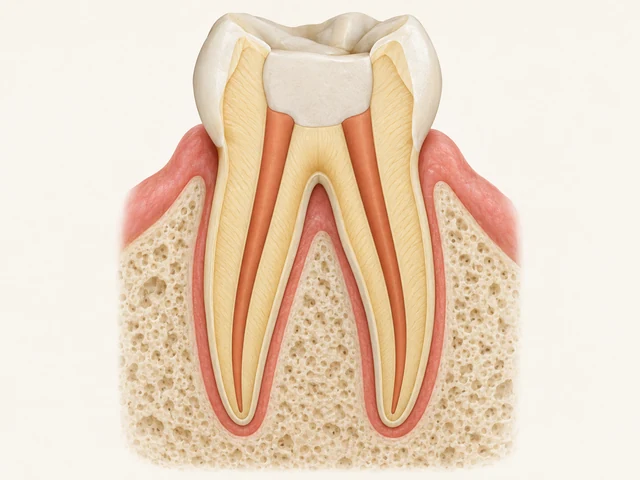
The dentist reviews the appropriate final restoration or crown to protect the weakened tooth. The choice depends on the remaining tooth and clinical assessment.
Planning the outer restoration
Possible reasons include complex canal anatomy, canals that were not fully treated, new decay, a crack, or a loose or damaged restoration. Delayed or inadequate final restoration can also allow contamination. An examination is needed to identify the cause and assess the next treatment.
Sometimes, but not always. Straightforward cases may be completed in a small number of closely scheduled visits, while persistent infection may require time between appointments. The final restoration selected for the tooth, which may be a crown, can also require a separate visit. Share your travel dates at the consultation stage so the dentist can assess the required appointments before you commit.
No. If the tooth is badly cracked, severely decayed below the gum or has lost too much supporting bone, retreatment may not give it a meaningful future, and extraction followed by an implant discussion may be the better path. Our specialists assess this honestly and explain both options, including their limits, before you decide.